A venue almost always looks good during a site visit. The space is quiet, the technology is ready, the temperature is pleasant. Everything is perfect. As soon as a room fills up with hundreds of guests, everything changes at once. Networks are strained, the climate reacts differently, schedules shift, and the pressure on the team increases. Those are the moments when it becomes clear whether a venue not only looks beautiful, but also actually functions well. Experienced event managers, therefore, look during a site visit not just at what they see, but especially at what happens as soon as everything comes together. How systems react under pressure. How flexible a team really is. And how technology, catering, and logistics together contribute to the total experience. But there is something else that is at least as important, and which you cannot get from a brochure or quotation. The atmosphere. The energy of a place. How you are welcomed. How a team thinks along with you. Whether hospitality is something that is said, or something you actually feel. Precisely that is what makes a site visit indispensable. Not to confirm what you already knew, but to discover what you cannot see in advance.
In this article, we share what the best event managers really pay attention to, and which questions make the difference between a venue that seems good, and a venue that also continues to perform under pressure.
How smoothly do load-in and load-out run behind the scenes?
Load-in and load-out are moments that guests never see. But they do determine how smoothly your event runs. During a site visit, this often seems simple. There is space, there are entrances, everything looks clear. Until multiple suppliers arrive at the same time, materials have to be moved, and time starts pressing. Then it becomes clear how well the logistics are actually organized. Where can suppliers load and unload? What happens if multiple parties arrive at the same time? How quickly can materials go from outside to the right spot in the room? If this is not properly coordinated, waiting times, frustration, and delays arise, often before the event has even started. And that effect carries through. A delayed setup means less time for tech checks, rehearsals, and fine-tuning. Exactly the moments when quality is made.
Questions you want to ask:
• What are the exact load-in and load-out times?
• Are there limitations or peak moments with multiple suppliers?
• Are there enough elevators, entrances, and logistical routes for equipment?
• How is cleaning organized and how often during the event?
• Does the venue work with fixed suppliers and security?
• Is first aid standard on-site?
You don't notice good logistics. You notice bad logistics immediately.
How many devices can the network really handle?
WiFi is rarely the first thing anyone asks about. And yet it is often the first thing you notice when it doesn't work. During an event, almost everyone has multiple devices with them. Guests use their phones, sometimes a laptop. Production runs on multiple systems simultaneously. Speakers work with presentations, polls, or interactive tools. A room with 300 guests quickly means 600 to 900 active connections. The question is therefore not whether there is WiFi, but whether it keeps working when everyone goes online at the same time. This is precisely the moment when livestreams start to glitch, polls don't load, and speakers fall silent.
Questions you want to ask:
• How many simultaneous devices can the network handle?
• Are there separate networks for guests, crew, and production?
• What happens during peak times?
How does the climate react when the room is full?
During a site visit, a space almost always feels comfortable. Until the room is full. The warmth of guests, the intensity of light and technology, and the energy of the program cause the temperature to rise quickly. What felt pleasant at first can suddenly become stuffy or restless. That is the moment when guests tune out, concentration drops, and the energy drains from the room. The question is therefore not how it feels now, but how quickly and actively the system can adjust.
Questions you want to ask:
• How does the climate control system react when the temperature rises?
• Who actively controls this during the event?
• Is there anticipation of peak times in advance?
How flexible is the team when something changes?
“We are flexible” is something you hear at almost every venue. You only see flexibility when something changes: A speaker runs over. A segment shifts. A last-minute need arises for a different setup or extra space. At that moment, it becomes visible how a venue really works. Is there proactive thinking or is there pointing at the script? Are decisions made or postponed?
Questions you want to ask:
• Who makes decisions on the day itself?
• How are last-minute changes handled?
• How quickly can adjustments be made without the program grinding to a halt?
How does technology help to make your story stronger?
Technology is often seen as something that “needs to be taken care of”. In practice, it determines how your event is experienced. Some venues add technology. Other venues are built around it. You can see that difference in what is possible, and how easily you scale up from a basic setup to an impactful experience.
In Theater Amsterdam, technology plays a visible role in the space itself. The semi-circular projection screen of 50 by 10 meters makes content part of the environment, instead of something you look at. That requires different choices, but it also makes it possible to deliver a story much more powerfully. The most important question ultimately is not what is possible, but what it adds.
Questions you want to ask:
• What is possible as standard without external parties?
• How scalable is the technology within the space?
• Where are the limits if you want more than a basic setup?
How is catering tailored to your event and your guests?
Catering is often the first thing guests have an opinion on and the last thing they remember. Yet during a site visit, people often only look at the menu, while the execution is at least as important. How are peak moments managed? How are dietary requirements handled? What happens if numbers change? And at least as important: what happens behind the scenes?
Questions you want to ask:
• How are dietary requirements and allergies handled?
• How flexible is the offer in case of changes?
• How are peak moments managed?
• What happens to leftover food?
• Is food waste actively minimized?
And perhaps the most important question: can we do a tasting?
How do your guests experience the journey to and from the venue?
An event does not start upon arrival, but with the journey towards it. Friction in accessibility makes for a false start. Long waiting times on arrival cause restlessness. Lack of clarity at departure makes for a messy end. A smooth journey, on the other hand, ensures peace of mind, focus, and a better overall experience.
Questions you want to ask:
• How do guests get here in the most logical way?
• What happens during peak moments at arrival and departure?
• Which transport options are encouraged?
• What about parking and charging points?
Which questions will you ask during your next site visit?
You can collect a lot of information about a venue in advance. Capacity, catering, and accessibility are rarely a surprise. The questions that make the difference are only asked when you are there. At the moment when you are no longer looking at what a space looks like, but at what happens when everything comes together. When technology, audience, and program are in motion at the same time. Those are also the moments when it gets exciting. At Theater Amsterdam, we guide countless events every year, from congresses to corporate parties. That experience shows where things go well in practice and where things go wrong when people just don't ask the right follow-up questions.
Curious how Theater Amsterdam scores on your checklist? Download the checklist, plan a site visit, and experience it yourself: https://www.theateramsterdam.nl/contact


Eva Otto
Director
About Theater Amsterdam
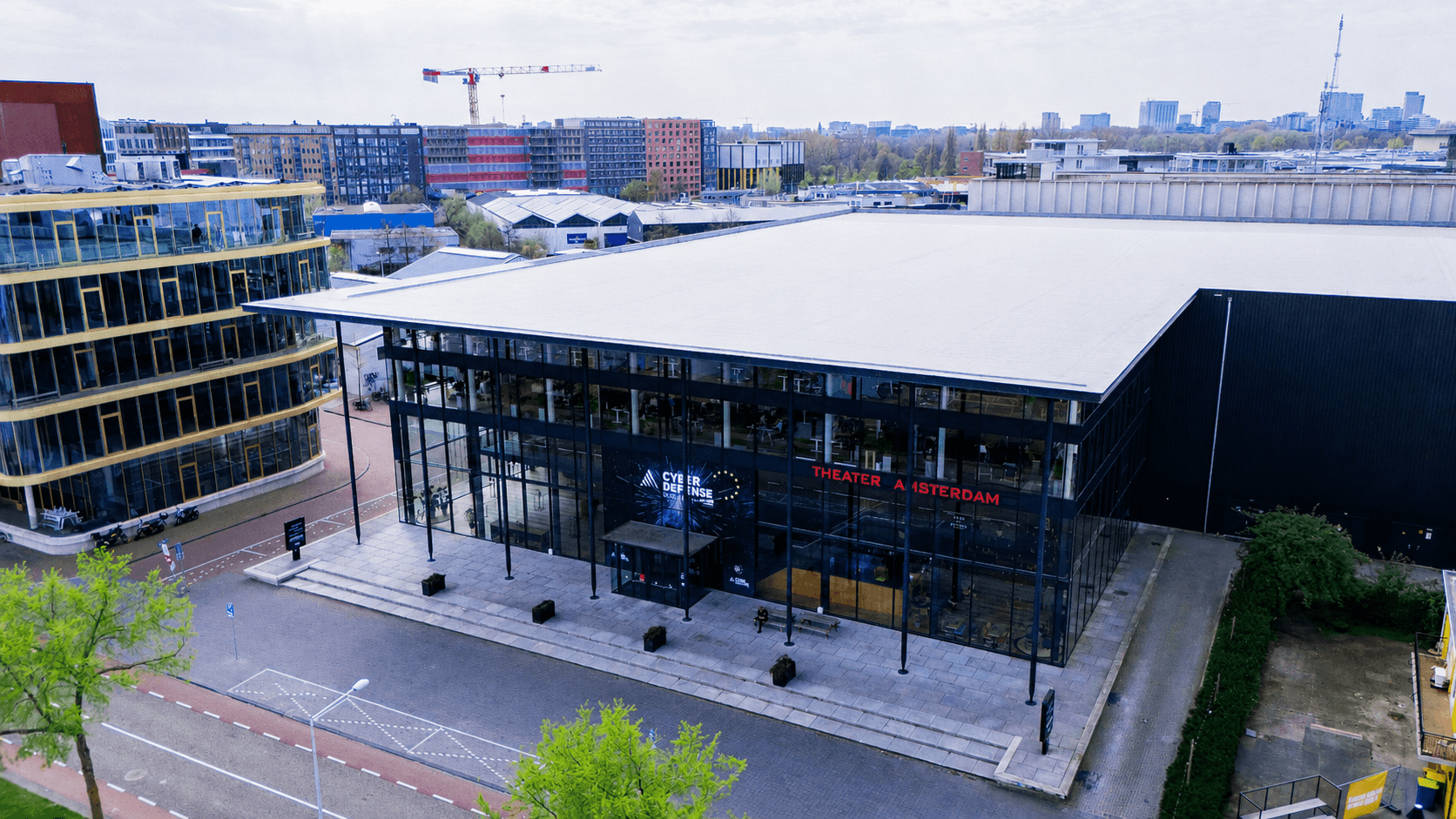
Theater Amsterdam is a unique venue on the waterfront. With a Theater Hall for 1,100 guests and a Blackbox of 1,200 m², it offers everything for events up to 2,000 guests. The projection screen and technology ensure impact at congresses and shows.
Every event a show
Planning your event at Theater Amsterdam?
Based on your programme, we can immediately help you create a logical event flow.